When you decide to install new floors or refinish existing ones, the decision-making process can feel endless. You have to select the wood species, the plank width, and the stain color. Just when you think you are finished making choices, you are hit with one final, crucial question: What sheen do you want?
While it might seem like a minor detail compared to the color, the sheen level determines how your floor interacts with light, how it hides wear and tear, and the overall vibe of the room. The two most popular contenders in modern homes are satin and matte.
Understanding the debate of matte vs satin finish hardwood floors is essential to ensuring you are happy with the final product for years to come. In this guide, we will break down the pros, cons, and aesthetic differences to help you make the right choice for your home.
Understanding the Terminology
Before diving into the comparison, it helps to know what these terms actually mean in the flooring industry. “Sheen” refers to the level of gloss or light reflection on the floor’s surface.
- Satin Finish: This has been the industry standard for decades. It typically has a 35% to 40% luster level. It isn’t “shiny” like a gymnasium floor (which is semi-gloss or high-gloss), but it does reflect a decent amount of light. It offers a classic, warm glow.
- Matte Finish: This is a lower-luster option, usually sitting around 10% to 25% sheen. It provides a very flat, natural look that mimics the appearance of raw wood. It has gained massive popularity in the last ten years, especially in modern and farmhouse-style homes.
The Aesthetic Difference
The most immediate difference between the two is visual.
Satin finishes are traditional. Because they reflect light, they can make a room feel slightly brighter and more formal. The light bouncing off the floor highlights the grain patterns and the depth of the stain color. If you are going for a timeless, elegant look, satin is often the safer bet.
Matte finishes, on the other hand, offer a contemporary aesthetic. Because there is very little light reflection, the floor looks more like “real wood” and less like a coated surface. It provides a raw, organic texture that fits perfectly with Scandinavian, industrial, or rustic interior designs.
Durability and Lifestyle: The “Hide” Factor
When homeowners research matte vs satin finish hardwood floors, their primary concern is usually durability. Technically, the durability of the floor depends on the quality of the polyurethane used, not the sheen level. A matte floor and a satin floor coated with the same product will be equally hard.
However, there is a massive difference in how they show wear and tear.
The Case for Matte: If you have a busy household with dogs, kids, or high foot traffic, matte is generally the superior choice. High-gloss surfaces highlight imperfections because the light reflects off the scratches. Since matte floors diffuse light, scratches, dents, and dust are much harder to see. You can go longer between cleaning sessions without the floor looking dirty.
The Case for Satin: Satin is still relatively forgiving, but not as much as matte. If you have a large dog with claws that scratch the finish, those white lines will be more visible on a satin floor when the sun hits them. However, some homeowners feel that satin looks “cleaner” because the slight shine implies a freshly polished surface, whereas a dirty matte floor can sometimes just look dull.
Maintenance and Cleaning
Regardless of the sheen, hardwood flooring requires regular maintenance. You should be sweeping or vacuuming regularly to remove grit that acts like sandpaper under your feet.
- Cleaning Matte: One downside to matte floors is that they can sometimes feel “grippy” when mopping because they lack the slick surface of a glossier finish. Additionally, oil-based spills can be harder to spot immediately because they don’t shine against the light, potentially leading to stains if not wiped up.
- Cleaning Satin: Satin floors are easy to wipe down, but they show footprints and smudges more easily than matte. If you walk across a satin floor in bare feet, you are more likely to see the oil marks left behind.
Making the Decision
So, how do you choose?
- Look at your lighting: If you have a room with intense natural sunlight, a satin finish might create too much glare. A matte finish will soften that light. Conversely, in a dark room, satin can help bounce light around.
- Assess your traffic: If your house is “shoes off” and pet-free, satin is a beautiful choice. If you run a chaotic household with heavy traffic, matte will keep your sanity intact by hiding the inevitable scuffs.
Getting Professional Advice
Reading about finishes is helpful, but seeing them in person is vital. You need to see how the light in your specific home hits the sample.
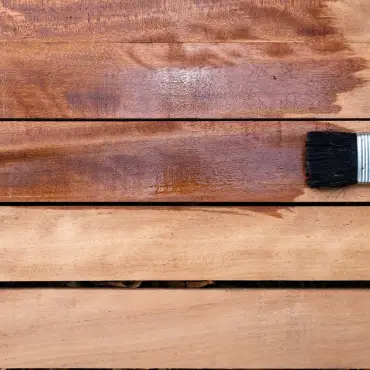
When you are ready to start your project, you will likely turn to Google to search for hardwood flooring contractors near me to get quotes. When you do, ensure you ask those professionals to bring samples of both finishes. A reputable contractor will often apply a small test patch of both matte and satin polyurethane on your actual floor during the sanding process so you can see the dry result before committing to the whole room.
Conclusion
Ultimately, the choice comes down to personal preference. There is no wrong answer in the matte vs satin finish hardwood floors debate; there is only the answer that fits your lifestyle. Satin offers a classic, glowing elegance, while matte provides a modern, low-maintenance, and organic feel. By weighing the lighting in your home against the traffic your floors will endure, you can select the perfect finish that keeps your home looking beautiful for years.