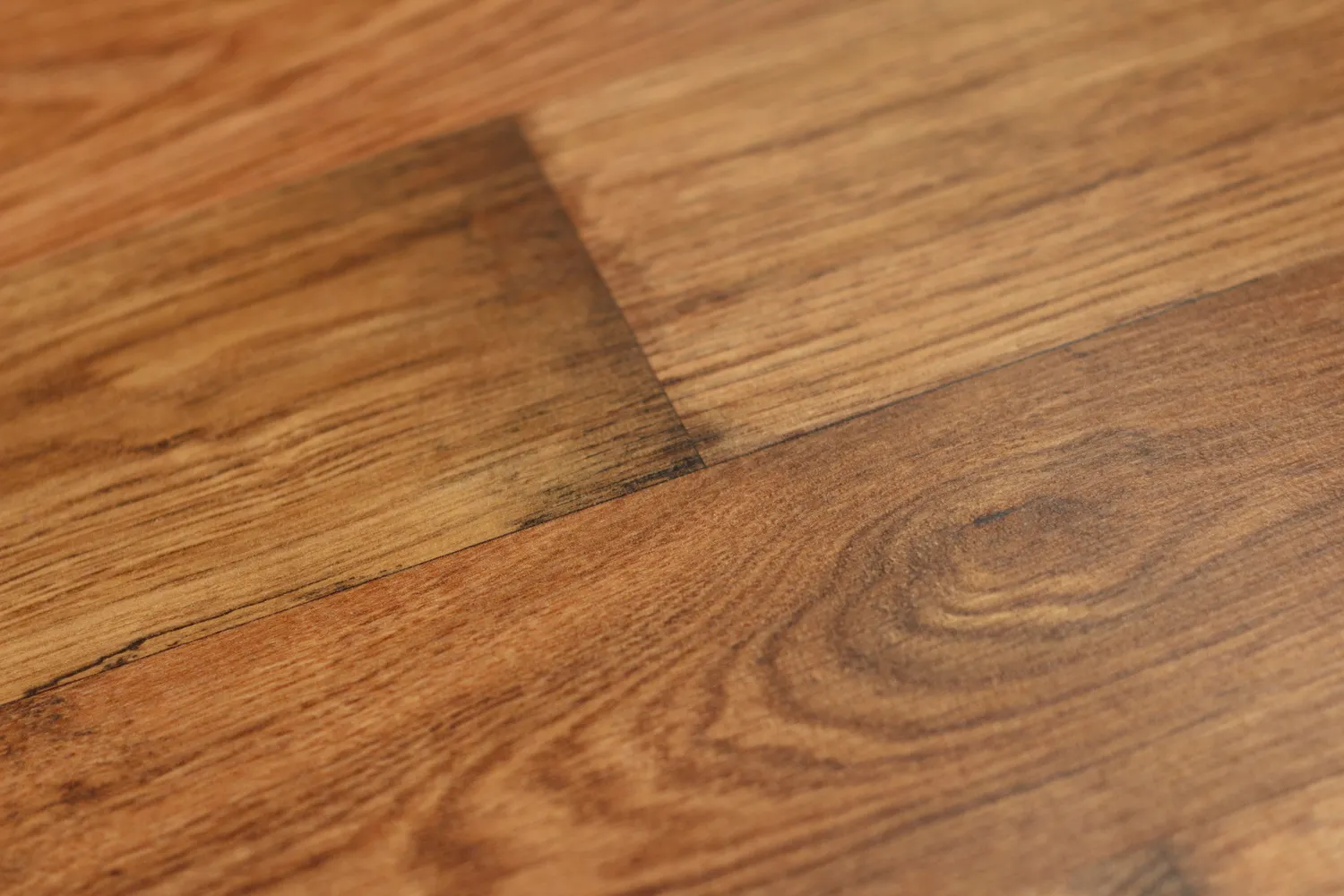
If you own a home with original wood flooring, you’ve likely wondered: how many times can you refinish hardwood floors before they’re too thin to save? It’s one of the most common questions homeowners ask when they notice scratches, dullness, or discoloration creeping across their once-beautiful floors. The answer isn’t a single number. It depends on what type of hardwood flooring you have, how thick the wear layer is, and how aggressively previous sanding jobs were done.
Understanding this limit is critical. Every time you sand a floor, you remove a small portion of the wood itself. Once that usable wood is gone, the floor cannot be restored and must be replaced. This guide will help you determine exactly where your floors stand.
The Magic Number: 4 to 6 Times for Solid Hardwood
For traditional, solid hardwood flooring (typically 3/4-inch thick planks), the industry standard is clear. You can usually refinish these floors between four and six times over the total lifespan of the home. Since hardwood floors generally need refinishing every 7 to 10 years depending on traffic and pet wear, this means a quality solid wood floor can easily last 100 years or more with proper care.
However, this assumes the refinishing is done correctly. If a contractor or a previous homeowner used an overly aggressive drum sander and took off more wood than necessary, that number drops significantly. This is why when you search for “hardwood flooring contractors near me,” you should look specifically for craftsmen who specialize in restoration, not just installation.
The Engineered Hardwood Exception
If your home was built or renovated in the last 20 years, there’s a high chance you have engineered hardwood flooring. Unlike solid planks which are wood all the way through, engineered floors consist of a thin veneer of real wood glued to a plywood or composite base.
The rule changes entirely here. Engineered hardwood flooring can typically be refinished only one or two times in its lifetime, and only if the top veneer is thick enough. If the wear layer is thinner than 2mm, sanding is extremely risky. A professional evaluation is essential. If you’re seeking “hardwood flooring contractors near me” for an engineered floor, make sure to ask specifically: “Have you successfully refinished this brand and thickness of engineered wood before?”
How to Check If You Have Wood Left to Sand (The Credit Card Test)
Before you call any hardwood flooring contractors or rent a sander, you need to know exactly how many times can you refinish hardwood floors in your specific home. You can perform this simple check in five minutes.
First, find a floor register (a heating vent in the floor). Pull it straight up and out. This exposes a cross-section of your hardwood flooring. Look at the plank from the side. You’ll see the “wear layer”; this is the wood above the tongue-and-groove locking mechanism. Using a ruler or simply comparing it to the edge of a credit card gives you the answer. If the remaining wood above the tongue is thicker than a credit card (approximately 3/32 inch or 2.4mm) , you are safe for another full sand and refinish. If it’s thinner than a credit card, or if you can see the “tongue” of the board almost touching the surface, you are on your last refinish cycle or it may already be too late for sanding.
When Sanding Isn’t the Answer: The Screen and Recoat Option
Many people ask how many times can you refinish hardwood floors when what they really need is something less invasive. If your floors are simply dull and lightly scratched but the wood is not deeply gouged or gray, you don’t need a full sanding at all.
A screen and recoat (also called a “buff and coat”) is a maintenance process that scuffs the existing finish without touching the raw wood. This extends the life of your hardwood flooring without using up one of those precious 4 to 6 refinishing cycles. You can do this multiple times between full refinishes. If you’re searching “hardwood flooring contractors near me” just to freshen up a room for a party or sale, specify that you want a quote for a recoat, not a full refinish. It costs a fraction of the price and keeps your wear layer intact for future decades.
What Happens If You Sand Too Many Times?
Understanding the answer to how many times can you refinish hardwood floors also means knowing the consequences of ignoring the limit. If hardwood flooring is sanded too thin, several catastrophic failures occur:
-
Splintering and Cracking: The top of the board becomes so thin it splinters under foot traffic or furniture weight.
-
Nail/Screw Exposure: You will literally sand down to the fasteners holding the floor down. Hitting a nail with a drum sander destroys both the machine and the floor.
-
Joint Failure: The groove side of the board becomes too weak and the boards will start to separate, creating permanent gaps.
If you have noticed that the edges of your boards look like they are chipping away or you can feel the “lip” of the groove through the surface, you have likely reached the end of the refinishing road. At this stage, even the best hardwood flooring contractors will likely recommend replacement rather than another sanding.
Final Verdict: Know Your Number
So, how many times can you refinish hardwood floors? For solid wood, you likely have one or two good sands left if the home is over 50 years old. For engineered, you might be on your only chance. The only way to know for sure is to inspect that cross-section at the heat vent.
If you are unsure, do not gamble with a DIY rental sander. One aggressive pass with coarse grit can remove decades of future life from your floor. When seeking “hardwood flooring contractors near me,” look for companies that advertise “dustless refinishing” and “historic restoration.” These specialists understand that preserving the thickness of the wood is just as important as making the finish shine. Respecting the thickness of your hardwood flooring ensures your home retains its value and beauty for generations to come.