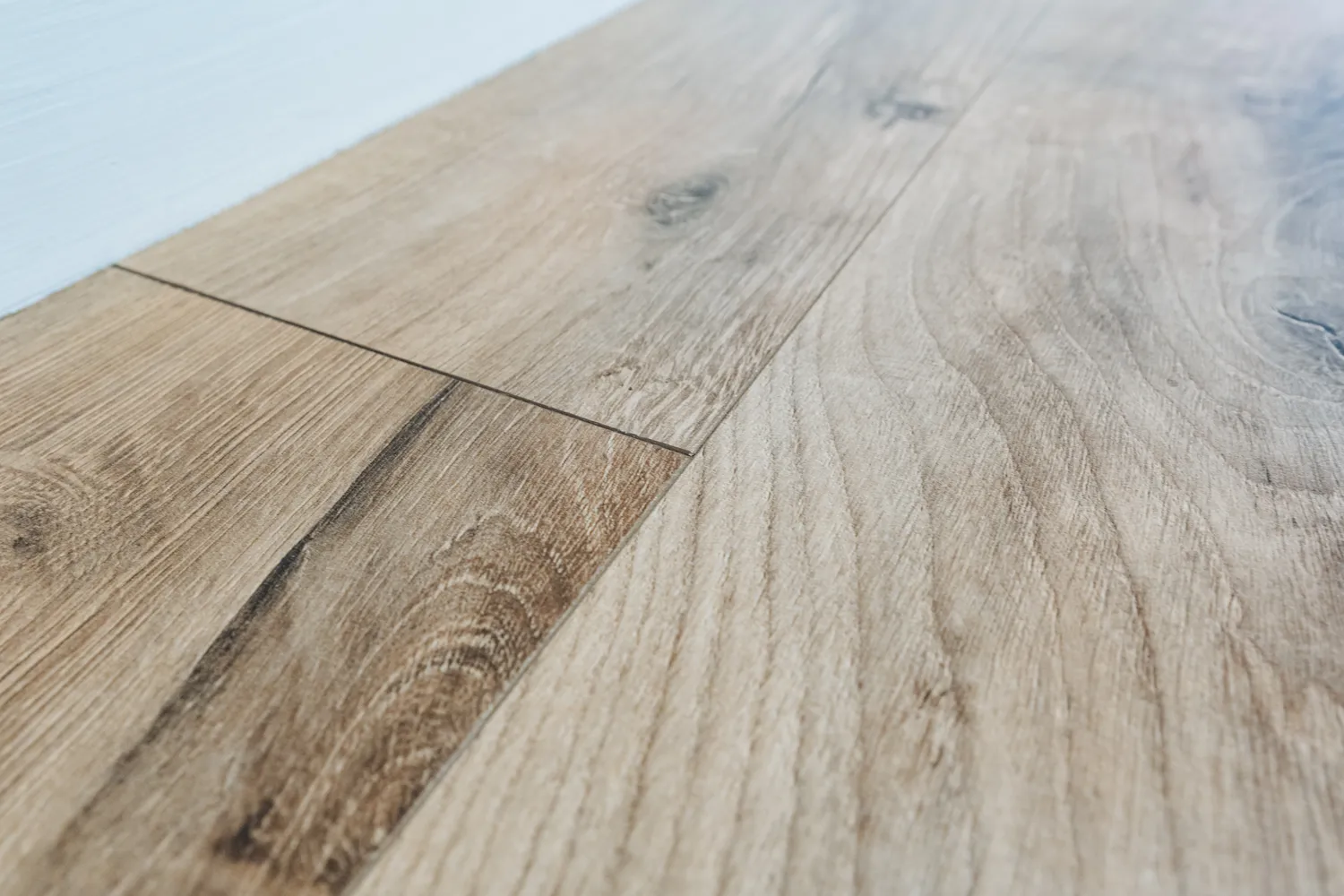
The world of home design moves at a lightning pace. One year, cool grey tones are the height of sophistication, and the next, everyone is clamoring for the warmth of honey oak or deep walnut. If you have installed engineered planks in your home, you might feel locked into a specific aesthetic. This leads many homeowners to a common concern: can you stain engineered wood?
Unlike solid timber, engineered flooring is a sandwich of layers. It features a real hardwood veneer on top, bonded to a high density fiberboard or plywood core. This construction makes it more stable in humid environments, but it also creates a unique set of challenges when it comes to refinishing.
Understanding the Wear Layer
Before you head to the hardware store for a can of Espresso stain, you must understand the anatomy of your floor. The most critical factor in determining if a project is viable is the thickness of the “wear layer.” This is the top slice of real wood that sits above the structural core.
If your wear layer is less than 2mm thick, sanding is generally off the table. Standard sanding equipment can easily “burn through” a thin veneer, exposing the plywood underneath and effectively ruining the floor. However, if your layer is 3mm or thicker, you have more flexibility. Many homeowners ask can you stain engineered wood when they realize their floors have accumulated enough scratches and dings to warrant a full refresh. If the wood is thick enough, it can be sanded down lightly and a new pigment can be applied.
The Technical Challenge of Staining
Engineered wood is often pre-finished at a factory with tough aluminum oxide coatings. These finishes are designed to last for decades, which is great for durability but difficult for DIY projects. To change the color, you must completely remove this factory finish without eating through the wood veneer itself.
When you search for hardwood flooring near me, you are likely looking for durability and timeless beauty. Achieving that through a stain change requires precision. Because engineered wood is not a solid block of timber, it reacts differently to moisture. If you apply a heavy, water-based stain too aggressively, you risk moisture seeping into the core layers, which can lead to swelling or delamination.
The Best Methods for Changing Color:
- Light Sanding (Buffing): If you only want a slight color shift, a “screen and recoat” might work. This scuffs the surface enough for a tinted finish to stick.
- Chemical Stripping: Sometimes used to avoid the risks of heavy mechanical sanding, though this is messy and labor intensive.
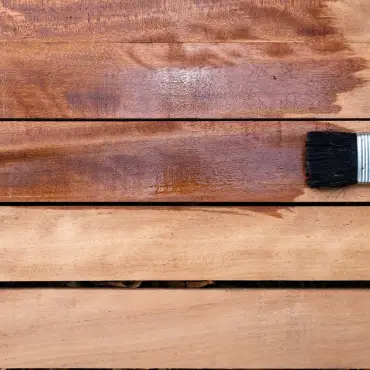
- Gel Stains: These sit on top of the wood rather than soaking in deeply, making them a safer alternative for thin veneers.
Why Professional Help is Essential
Because the margin for error is so slim (often measured in fractions of a millimeter), this is rarely a project for a beginner. When looking for hardwood flooring contractors near me, it is vital to specify that your floors are engineered. A contractor who treats engineered wood like solid oak will likely sand right through your investment.
A professional will use specialized equipment, such as orbital sanders rather than heavy drum sanders, to maintain the integrity of the veneer. They will also perform a “drop test” or a small hidden sand to see exactly how much wood they have to work with. To answer the big question, can you stain engineered wood, you have to look at the specific product you have installed. High end engineered products with a 4mm or 6mm wear layer can often be stained and refinished just as many times as solid wood.
Choosing the Right Color
If you have determined that your floors are a candidate for a makeover, choosing the right stain is your next hurdle. Darker stains are excellent for hiding minor imperfections in the grain, but they show every speck of dust. Lighter stains make a room feel larger and more airy, but they require a very clean sand job, as any circular marks from the sander will be highlighted by the light pigment.
Keep in mind that the underlying wood species will influence the final result. If you have red oak engineered floors, they will always have a slightly pink or orange undertone. Applying a grey stain over red oak often results in a muddy, purple hue. A professional can help you neutralize those natural tones with specific pre-treatments.
Longevity and Aftercare
Once the staining process is complete, the new finish must be protected. Typically, three coats of a high quality polyurethane are applied to seal the stain. For engineered wood, water based polyurethanes are often preferred because they dry faster and do not amber over time, keeping your new stain color true to its original look.
Maintenance after staining is simple but strict. You should avoid wet mopping, as standing water is the enemy of engineered cores. Instead, use a microfiber mop and a cleaner specifically formulated for finished wood. By taking these steps, your “new” floors can last another decade or more before needing another look.
Ultimately, while the process is more delicate than dealing with solid planks, the answer to can you stain engineered wood is a cautious “yes” provided you have the right material and the right team. It is a fantastic way to modernize your home without the environmental impact or the financial cost of a total floor replacement.