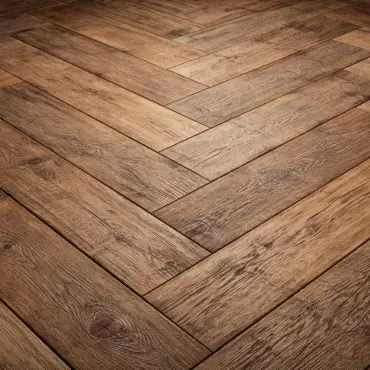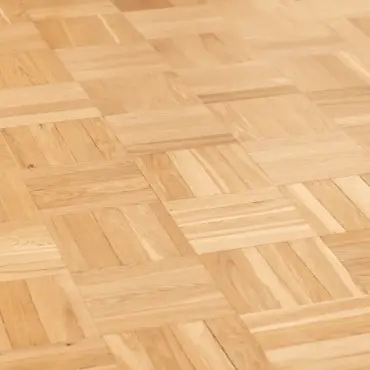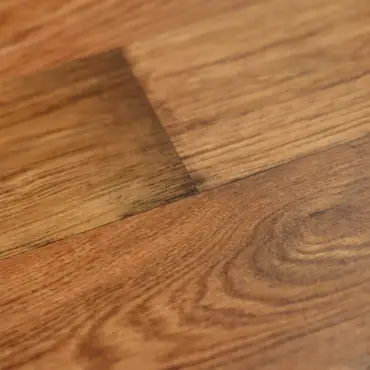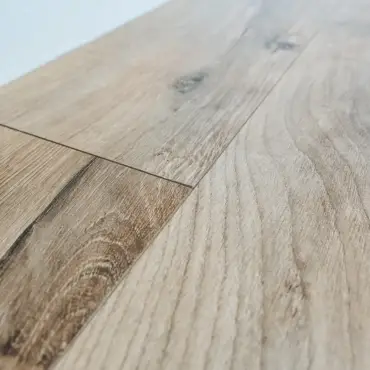
Hardwood floors are one of the most beautiful and valuable features in a home, but over time they can lose their shine. Scratches, dull spots, light fading, and worn finishes can make even high-quality floors look older than they are. Many homeowners want a fresh look without the dust, time, and cost of a full sanding project. That leads to an important question: Can you refinish hardwood floors without sanding and still get good results?
The answer is yes, but only in certain situations. A no-sanding refinish, often called screening, buffing, or recoating, can refresh the surface of the floor without removing the deeper layers of wood. Instead of sanding down to bare wood, this process lightly abrades the existing finish so a new protective coat can bond properly. It is a useful option when the wood itself is in good condition and the damage is mostly on the surface.
This method works best for floors that are dull, lightly scratched, or showing minor wear in high-traffic areas. If the floor still has an intact finish and no deep gouges, stains, water damage, or uneven boards, a screen and recoat may bring back a cleaner, richer appearance. It can also add a new layer of protection, helping the floors stand up better to everyday use.
However, no-sanding refinishing is not the right solution for every floor. If the finish has completely worn away, the wood has gray or black water stains, or there are deep scratches that cut into the boards, sanding is usually necessary. Sanding removes the damaged surface layer and allows the floor to be stained and finished again from the wood itself. Without sanding, those deeper marks and color problems will usually remain visible.
Homeowners also need to understand the difference between refreshing and fully refinishing. A no-sanding option can improve shine and protection, but it will not dramatically change the color of the floor. If you want to go from dark brown to light natural wood, or from a golden tone to a modern gray finish, a full sanding and refinishing process is the better choice. Stain changes require removing the existing finish so the new color can penetrate evenly.
The condition of the current coating is another major factor. Some older finishes, waxes, oils, or cleaning product buildup can prevent a new coat from bonding correctly. If the surface has been treated with wax or certain polishes, a professional may need to test a small area before recommending a no-sanding approach. Skipping this step can lead to peeling, uneven shine, or poor durability.
For homeowners who want to protect their hardwood flooring, regular maintenance is the best way to delay major refinishing. Use soft cleaning pads, avoid harsh chemicals, wipe up spills quickly, and place rugs in busy areas. Felt pads under furniture can also reduce scratches. With proper care, floors may only need occasional recoating instead of frequent full refinishing.
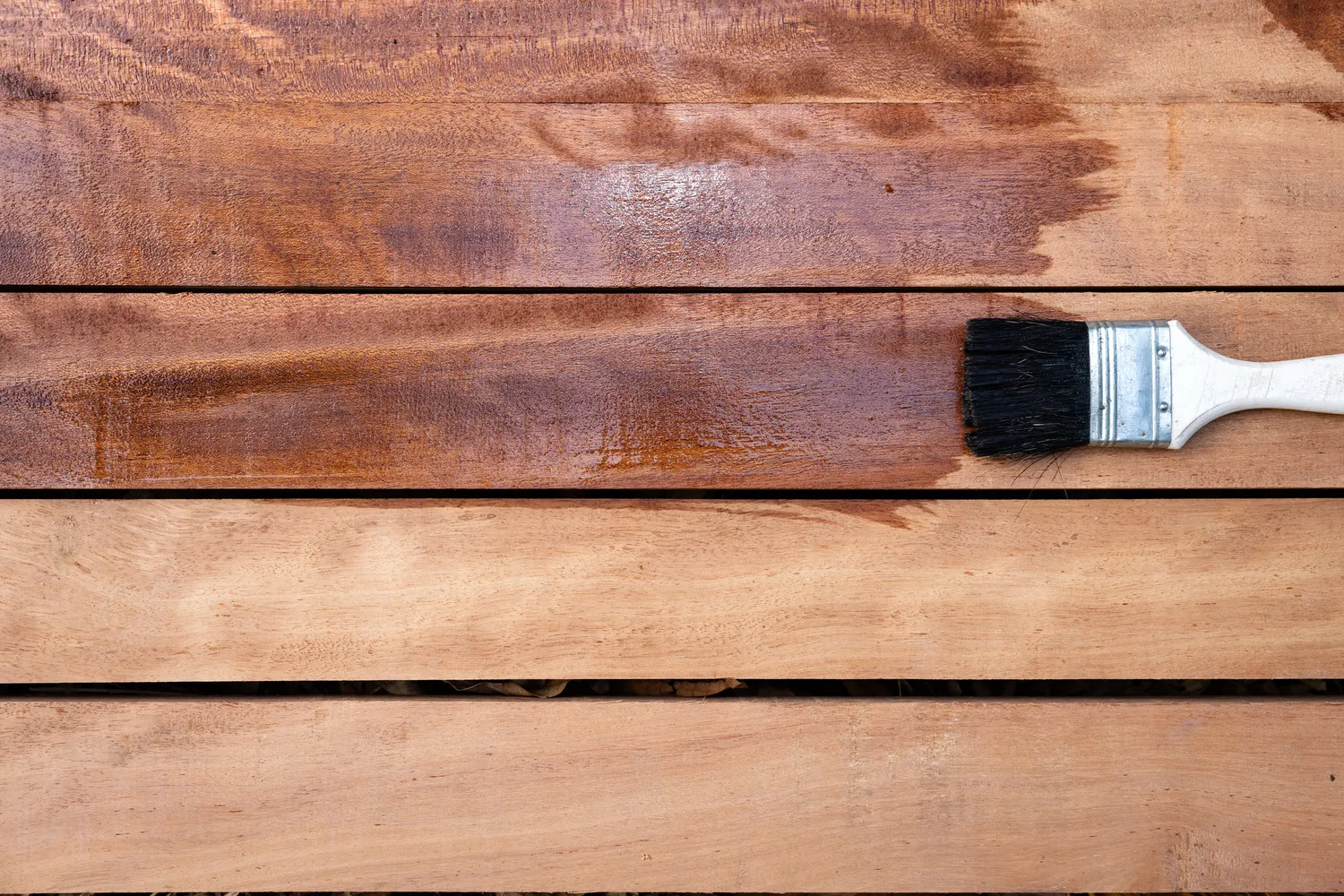
The no-sanding process usually begins with a deep cleaning to remove dirt, oils, and residue. Next, the surface is lightly buffed or screened to create a texture that helps the new finish stick. After dust is removed, a fresh coat of polyurethane or another compatible finish is applied. Once dry, the floor should look cleaner, smoother, and more protected.
One of the biggest benefits of refinishing without sanding is convenience. It usually creates less dust, takes less time, and may cost less than a full refinish. This makes it appealing for homeowners who want to refresh their space with less disruption. In many cases, rooms can be ready to use sooner than they would be after traditional sanding.
Still, professional advice is important. Experienced hardwood flooring contractors can inspect the floors, identify the type of finish, check for damage, and explain whether recoating will give you the results you want. They can also help prevent mistakes that may cost more to fix later.
So, Can you refinish hardwood floors without sanding if your floors look tired but are not badly damaged? Yes, a no-sanding refresh can be a smart and practical option. It can restore shine, add protection, and extend the life of your floors.
But if your floors have deep wear, heavy stains, exposed wood, or you want a complete color change, sanding is usually the better investment. Before choosing a method, look closely at the condition of the surface and think about your long-term goals. Can you refinish hardwood floors without sanding successfully? With the right floor condition and the right professional approach, the answer can be yes.